WASTE TO ENERGY TECHNOLOGY!
WPP Energy Corp, a national U.S. nonprofit
organization, promotes effective clean energy policies, develops low carbon
technology innovation strategies and works on new financial tools to stabilize
greenhouse gas emissions. WPP concentrates on climate and clean energy issues at
the state, national and international levels, as it works with diverse
stakeholders from governments as well as the private and nonprofit sectors.
WPP assists states to create and implement innovative practices and public
funding programs to advance clean energy markets and project deployment; creates
networks of U.S. and international policy makers to address climate
stabilization; advances effective, 21st century distributed innovation theories
for climate technology; develops new finance and commercialization tools; and
works to attract new investors to move clean energy technologies to the market
more quickly.
WPP work is designed to greatly accelerate the
commercialization of breakthrough low carbon technologies and to massively scale
up existing clean energy technologies as rapidly as possible to strengthen the
economy and stabilize climate change emissions. WPP is supported by major
foundations, state governments and federal agencies.
1. INTRO
-
We turn classical gasification
upside down. Conventional biogas plants turn the entire input material into
a product gas typically by means of pyrolysing the biomass into char and
gasyIying this by using air.
-
The WPP System consists of 3 main
vessels or bed reactors. The pyrolyser at the bottom, the steam reformer in
the middle and the pre-heater at the top.
2. PYROLYSER
-
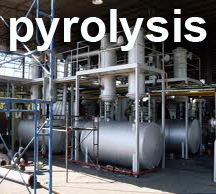
In its first stage the WPP System
separates the input material by pyrolysing it into approximately 20% char
and 80% pyrogas.
-
The char is combusted into a flue
gas in order to produce necessary process heat.
3. STEAM REFORMER
-
The remaining 80% moves up into
the steam reformer. Here the pyrogas is cracked and reformed into a high
quality product gas, consisting mainly of hydrogen and carbon.
-
Steam is generated by passing the
hot product gas through a waste heat recovery boiler before it is then
quenched and cleaned.
4. STAGED
REFORMING
5. HIGH QUALITY
PRODUCT GAS
-
Unlike with common biomass
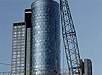
gasification processes the product gas generated in the Blue Tower is very
high in quality because it is unaffected from the flue gas from the char
combustion.
-
Common biogas plants achieve a
product gas with approximately 30-50 % calorific value, where as the Blue
Tower’s product gas achieves around 80% efficiency.
6. HEAT CARRIER
-
A key feature of the Blue Tower
is the use of a circulating bulk material as the heat carrying medium. This
ensures that the heat carrying surfaces are always clean and that the input
material such as sewage sludge maintains the required process heat.
-
This makes it easily possible to
use biomass input material which in other systems causes slogging, fouling
and corrosion.
7. HEAT PROCESS
-
The heat is transferred from the
char combustion flue gas to the inert bulk heat carrier inside a simple
moving bed reactor.
-
On the way through this process
(circulating to the top) the heat carrier first gives off its heat to the
reformer and then the pyrolyser.
-
The advantage of using a heat
carrier circuit and a motor flue gas circuit is that the different waste
heats can be collected and used to supply the collected heat where it is
needed.
8. INTELLIGENT
PROCESS - ONLY Simple Equipment Needed
-
The pyrolyser and the reformer
occur in separate gravity driven moving bed reactors. No further equipment
is mounted inside.
-
The heat carrying medium is moved
by mechanical drive and gravity.
-
At the end the Blue Tower
generates electricity out of garbage like a power station out of coal or
natural gas.
9. INPUT TO OUTPUT
EFFICIENCY RATIO
-
This highly depends on the input
material, it is also depend on the type of technology of waste process as well, a very broad estimate for separated dried household waste is 1 ton
of input generating 1.3MW - 1.7MW electric net output. The calorific value
is approx. 12 - 14 MJ/Nm3. The Blue Tower has
a gross electric efficiency of 80%.
-
In order to determine the exact
value a detailed analysis of the input material must be submitted.
If you wish a more detailed answer please fill out our
question form
or
Contact Us
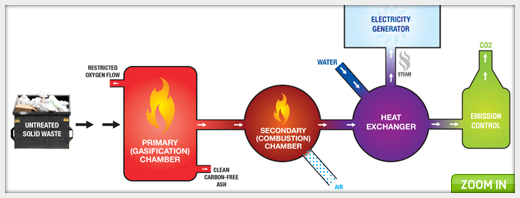
WASTE GASIFICATION
WPP Gasification
process can convert materials normally considered waste into energy and valuable
products. In the U.S. alone thousands of tons of a potential source of energy
are collected and thrown away each week. Most of the waste that we discard from
our homes and businesses every day - such as non-recyclable plastics,
construction debris, used tires, household trash, and sewage - contains energy.
WPP Gasification technology can convert the energy in all of this waste into
electric power, substitute natural gas, chemicals, transportation fuels, and
fertilizers.

PLASMA GASIFICATION
Some types of
gasification use plasma technology, which generates intense heat to initiate and
supplement the gasification reactions. Plasma gasification or plasma-assisted
gasification we use to convert carbon-containing materials to synthesis gas that
we used it to generate power and other useful products, such as transportation
fuels.
BIOMASS GASIFICATION
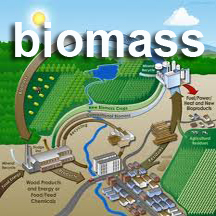
Biomass includes a wide
range of materials, including energy crops such as switch grass and micanthus,
agricultural sources such as corn husks, wood pellets, lumbering and timbering
wastes, yard wastes, construction and demolition waste, and biosolids (treated
sewage sludge). Gasification helps recover the energy locked in these materials.
Gasification can convert biomass into electricity and products, such as ethanol,
methanol, fuels, fertilizers, and chemicals.
BIOMASS TO BIO-FUEL
Pauwlonia Alongata Culiver Plant
In recent years, with petroleum prices heading steadily
upwards, and worldwide supplies getting tighter and tighter, we had our
scientists revisited the fermentation of sugars for the manufacturing of
biobutanol by innovative reach biomass plants that generates 10 times more than
any other plants such as a fast growing (PAC) Pauwlonia Alongata Culiver.
COMPLETE TURNKEY SOLUTION
WPP provides a complete turnkey operational power
plant under a joint venture, or (BOOT) Build Own Operate Transfer, or (BOO)
Build Own Operate, we are open for all types of combinations providing unlimited
funds from $10 Million and over $1 Billion Dollars.
More information
Talk to experts for more
information!

Waste Gasification
|
Biomass Gasification
|
Plasma Gasification
|
Hemp 2 Fuel & Power Generation
|
Financing |
About us |
Contact us
Home
| About us | Our Services |
Our Projects | |
Financing | WTE overview |
Green energy news | Request Form
|
Contact Us

|